
How Drones Are Reshaping Modern Warfare: Insights from Major General M. Indrabalan | Amber Wings
Introduction: The Rise of Drones in Modern Warfare
Drones are no longer just support tools—they are now at the core of modern military strategy.
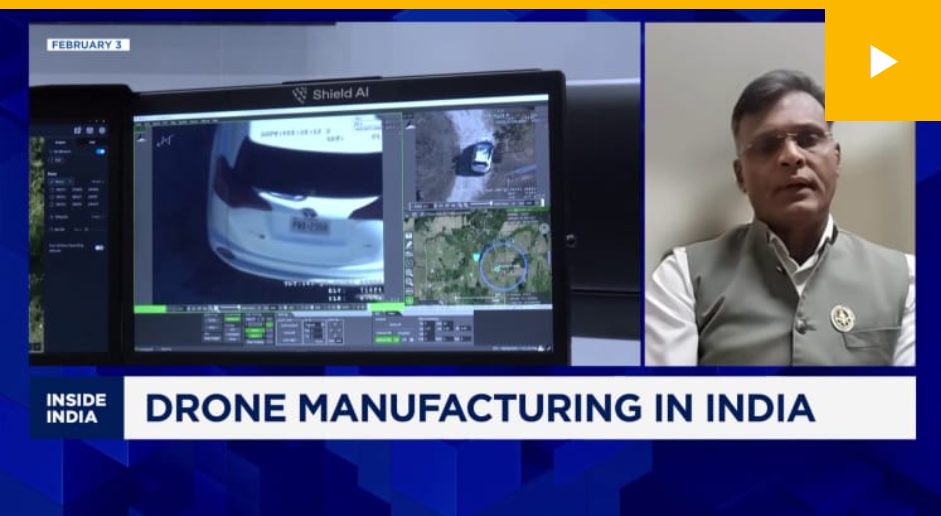
In a recent interview with Major General M. Indrabalan, Military Technology Adviser at Amber Wings, the evolving role of drones in warfare was discussed in depth. From conflicts in West Asia to Eastern Europe, drones are redefining how wars are fought—faster, cheaper, and more intelligently.
Drones: The Most Disruptive Force in Modern Combat
According to Major General Indrabalan, drones are among the most disruptive technologies in warfare today.
Why Drones Are Changing Warfare
- Cost-effective : Up to 1/5th–1/10th the cost of missiles
- Multi-domain capability : Land, air, and sea operations
- Scalable : From tactical missions to strategic strikes
- Precision targeting : Ability to hit infrastructure, radar systems, and moving targets
From conflicts involving Iran to large-scale operations in Europe, drones have proven one thing:
👉 They are no longer optional—they are essential.
From ISR to Strike: What Drones Can Do Today
Modern drones are capable of:
- ISR (Intelligence, Surveillance, Reconnaissance)
- Logistics and supply delivery
- Electronic warfare support
- Suppression of enemy air defenses (SEAD)
- Precision strikes on strategic assets
As highlighted in the discussion, drones today can:
“Hit humans, materials, strategic assets, and radar systems—there’s very little they cannot do.
Amber Wings: Building Sovereign Drone Technology in India
Amber Wings, a subsidiary of The ePlane Company, is focused on developing both military and civil drone capabilities.
Key Differentiator: Not Just Assembly—Core Technology Development
Unlike many drone companies that rely on external components, Amber Wings is building:
- In-house aerospace design (wings, structure, full airframe)
- AI-enabled embedded systems
- Autonomous navigation capabilities
- Proprietary ISR and logistics platforms
👉 This approach positions Amber Wings as a deep-tech aerospace company, not just a drone assembler.
Advanced Capabilities Being Built at Amber Wings
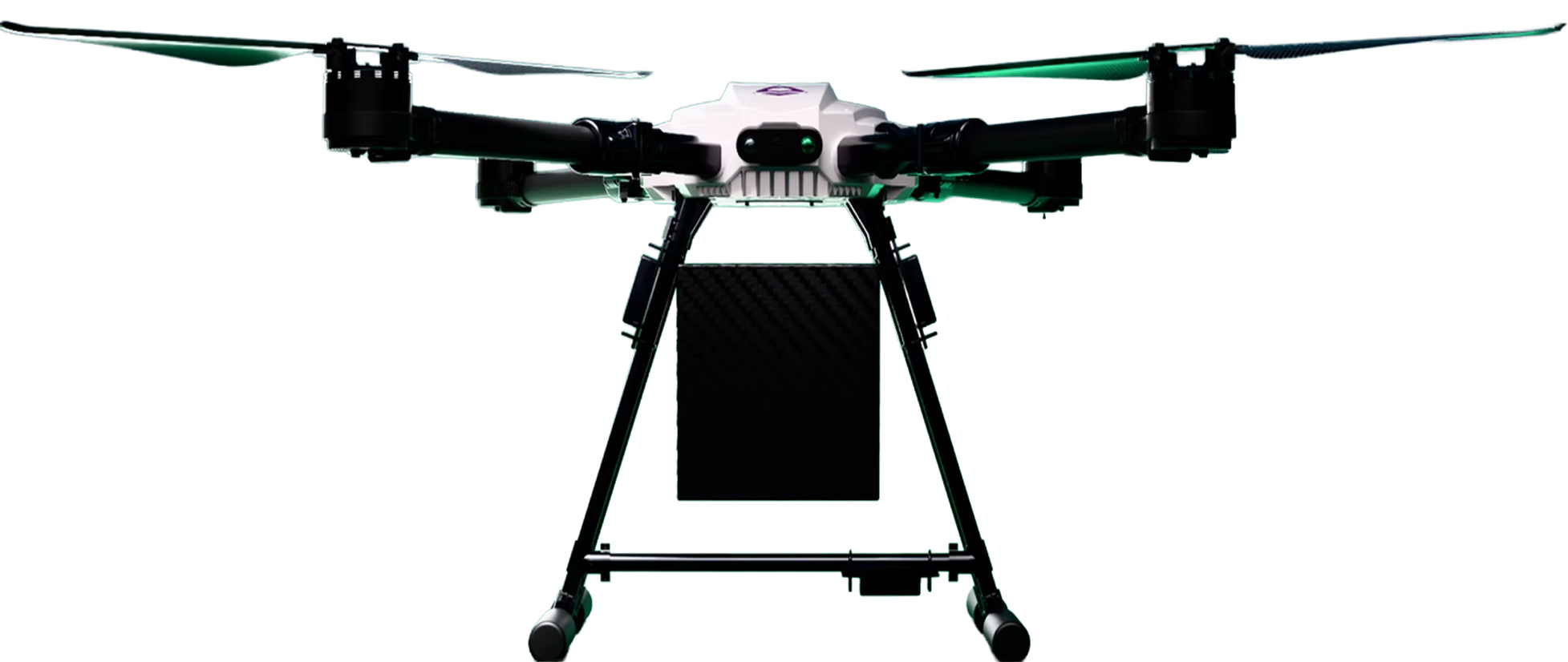
1. Heavy-Lift Logistics Drones
- 50 kg payload
- 100 kg payload
- 200 kg payload (in development)
2. ISR Drones with Multi-Spectral Capabilities
- Advanced camera systems
- Thermal imaging (in development)
- Proprietary gimbal systems
3. AI & Autonomous Systems
- Computer vision-based navigation
- Terrain mapping
- Real-time decision-making
Operating in GPS-Denied Environments: The Next Frontier
One of the biggest challenges in modern warfare is GPS dependency.
Global navigation systems include:
- GPS (USA)
- GLONASS (Russia)
- BeiDou (China)
- Galileo (Europe)
India’s NavIC system is still scaling, making GPS denial and spoofing a real threat.
Amber Wings’ Approach to Navigation Resilience
To overcome this, Amber Wings is developing:
- Computer vision navigation (map-based visual tracking)
- Terrain mapping systems
- Inertial Navigation Systems (INS/IMU)
👉 The goal: Ensure drones operate even when GPS is unavailable or compromised.
Future of Warfare: Autonomous, Networked, and Persistent
Modern battlefields are evolving rapidly.
Key Trends Identified
- Autonomous drone operations
- Swarm intelligence
- AI-driven targeting
- Persistent surveillance systems
The side that integrates these technologies effectively will gain a decisive strategic advantage.
West Asia Conflict: A Case of Strategic Uncertainty
Discussing the ongoing tensions in Iran and broader West Asia, Major General Indrabalan highlighted the unpredictability of modern conflicts.
Key Observations
- Lack of a clear escalation strategy
- No defined exit model
- Increasing vulnerability of traditional assets (aircraft carriers, naval fleets)
He noted that:
👉 Force projection models used historically may no longer be effective against drone and missile-heavy environments.
Pakistan’s Strategic Positioning: A Geopolitical Play
The discussion also touched on Pakistan attempting to position itself as a mediator.
Potential Motivations
- Rebuilding global credibility
- Strengthening ties with Iran
- Managing internal challenges like Balochistan
This highlights how modern warfare is not just military, but also diplomatic and narrative-driven.
The Bigger Picture: Technology Will Define Future Conflicts
The most important takeaway from the conversation:
👉 Wars are no longer defined only by firepower—but by technology, adaptability, and speed of innovation.
- Innovation cycles are faster than military planning cycles
- AI and autonomy are becoming central
- Cost efficiency is reshaping strategy
Conclusion: Beyond Platforms—Building Real Capability
Amber Wings is focused on:
- Building resilient systems, not just drones
- Creating sovereign, dependable technology
- Bridging the gap between innovation and battlefield reality
As warfare evolves, the winners will not be those with the biggest weapons—but those with the smartest, most adaptable systems.