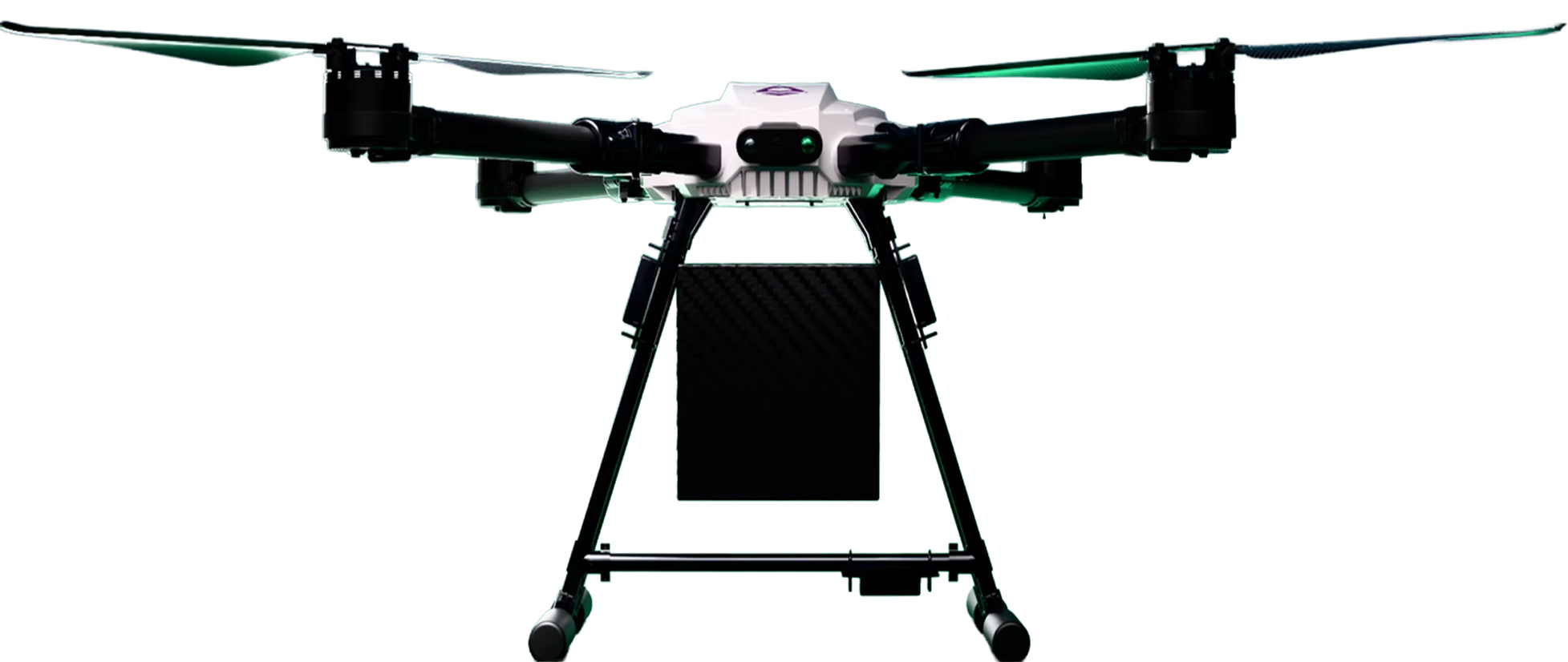

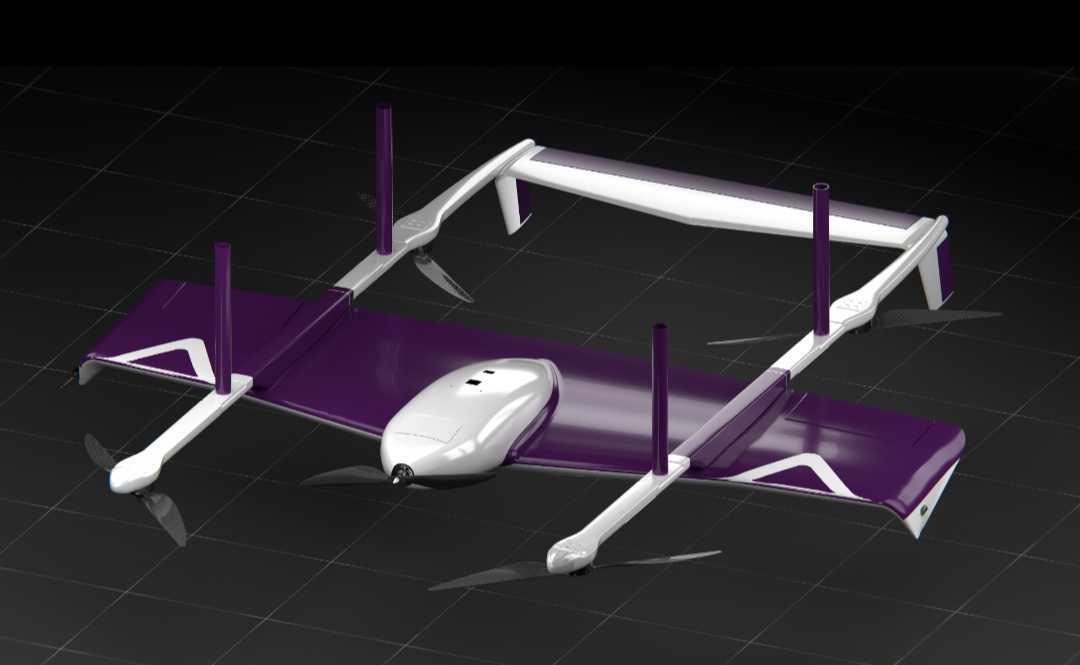
Amber Wings: Beyond the Buzz – The Future of Drone Delivery and Enterprise Drone Solutions in India
Introduction: From Minutes to Seconds – The Next Logistics Revolution
A decade ago, 10-minute deliveries would have sounded unrealistic. Today, they’re expected. The next leap? Deliveries in seconds.
According to Vinay M K, CEO of Amber Wings, drones are not just hype—they are the next layer of efficiency in logistics, enterprise operations, and healthcare. With live trials in Bengaluru and planned deployments in Chennai, Amber Wings is actively shaping the future of drone technology in India.
Global Drone Market vs India: Why India is Early, Not Late
Globally, drone delivery is still in its infancy. Even in the United States, where companies like Amazon and Walmart are piloting drone logistics, adoption remains below 0.1%.
India, however, is uniquely positioned:
- Rapid urbanization
- Strong software and AI ecosystem
- Growing demand for faster logistics
Understanding the Drone Ecosystem: 5 Key Segments
Amber Wings categorizes the drone industry into five major segments:
1. Enterprise Drone Solutions
Use cases include:
- Power line inspection
- Thermal fault detection
- Infrastructure monitoring
Amber Wings works with EPC players like Resonia, offering:
- Cloud-first drone analytics
- Data-driven reporting
- Scalable enterprise solutions
👉 Unlike traditional drone companies, Amber Wings focuses on data + AI, not just hardware.
2. Defence Drone Technology
Includes:
- Surveillance drones
- Logistics drones
- Kamikaze drones
- Anti-drone systems
Vinay emphasizes:
“The real differentiation is AI—the brain of the drone must be indigenous.”
3. Government & Mapping Services
- Land surveys
- GIS mapping
Challenge: Highly tender-driven, limiting scalability.
4. Agricultural Drones
- Crop spraying
- Monitoring
Current limitation:
- Service-based model
- Low profitability per acre
5. Urban Drone Logistics (Biggest Opportunity 🚀)
This is where Amber Wings sees massive disruption.
Applications:
- E-commerce delivery
- Mid-mile logistics
- Healthcare transport
Drone Delivery in India: From 20 Minutes to Seconds
Quick commerce platforms like Zepto have already reshaped consumer expectations.
Amber Wings is now building the next layer:
- Faster than road transport
- Independent of traffic
- Lower operational cost
Key Metrics
- Cost : < ₹1 per kg/km (can drop to ₹0.25 at scale)
- Delivery Time : Under 20 minutes in urban areas
👉 This makes drones ideal for mid-mile logistics, where traffic is the biggest bottleneck.
Healthcare Use Case: High Impact, Immediate ROI
Drone logistics can transform healthcare:
- Faster blood sample transport
- Multiple daily lab cycles
- Reduced diagnostic delays
Challenges in Scaling Drone Operations in India
Despite strong potential, three key barriers remain:
1. Awareness Gap
Many industries are still unaware of drone integration benefits.
2. Regulatory Complexity
- Policies improved post-2021
- Still need multi-city operational clarity
3. Fleet Ownership & Financing
- Lack of leasing/financing models
- Limits large-scale deployments
India’s Drone Manufacturing Ecosystem: Strengths & Gaps
Strengths
- AI & software
- System design
- Airframe manufacturing
Dependencies
- Semiconductors
- RF chips
- Camera sensors
- High-performance propulsion systems
Amber Wings is actively collaborating with startups to build indigenous subsystems.
India’s Drone Vision 2030: A Global Hub in the Making
The Indian government aims to make India a global drone hub by 2030.
Key initiatives:
- PLI (Production Linked Incentive) schemes
- Boost for domestic manufacturing
However, growth still depends on:
- Increased private sector adoption
- Moving beyond government-driven demand
Amber Wings’ Growth & Real-World Execution
Amber Wings is focused on:
- Increased private sector adoption
- Moving beyond government-driven demand
Key Achievements
- 13,000+ km flight operations
- Urban logistics trials underway
- Partnerships across industries
Conclusion: Who Will Win the Drone Race?
The future of drones will not be decided by technology alone.
Success will depend on:
- Economics
- Policy alignment
- Execution at scale
As Vinay puts it:
“Over the next three years, skies will open.”
And when they do, the winners will be those who solve real-world problems—not just build advanced drones.